Industry Sub-Category · Logistics & Warehousing

Connect every movement. Make every warehouse more visible and dependable.

Data Confiance helps logistics and warehousing organisations modernise connectivity, devices, edge systems, applications, physical security and managed operations across warehouses, distribution centres, yards and multi-site networks.

Warehouse Wi-Fi, network and handheld infrastructure WMS, edge, yard and application integration Physical security, monitoring and multi-site lifecycle support
Operational visibility begins with dependable warehouse technology

Logistics and warehousing organisations must move goods faster while maintaining accuracy, security and service continuity across distributed sites.

Modern warehouses depend on industrial wireless, handheld devices, WMS platforms, edge systems, surveillance, access control, yard workflows and real-time data.

Every receiving, put-away, picking, packing, dispatch and returns process depends on stable connectivity and responsive applications. A weak wireless zone, unmanaged device, application outage or security gap can directly affect throughput and customer commitments.

Data Confiance connects warehouse networks, endpoint and device management, edge infrastructure, cloud and WMS integration, physical security, operational analytics, backup, managed services and lifecycle support into one coordinated logistics framework.

See how Data Confiance supports Logistics & Warehousing
Industry drivers

Six forces shaping Logistics & Warehousing technology strategy.

The strongest operators connect warehouse infrastructure, applications, mobility, physical security and lifecycle operations through one operating model.

01

Always-on warehouse connectivity

Industrial Wi-Fi, LAN, WAN and application access must support continuous movement across large and complex facilities.

02

Device and mobility scale

Handhelds, scanners, tablets, printers and endpoints require standard configuration, security and lifecycle control.

03

Application integration

WMS, ERP, transport, automation, yard and customer systems must exchange data reliably and quickly.

04

Yard and facility security

Surveillance, access, visitor, vehicle and perimeter systems must protect people, assets and inventory.

05

Operational visibility

Teams need real-time insight into inventory, bottlenecks, devices, connectivity, energy, incidents and service conditions.

06

Multi-site lifecycle complexity

Distributed warehouses require consistent support, spares, preventive maintenance, backup and refresh planning.
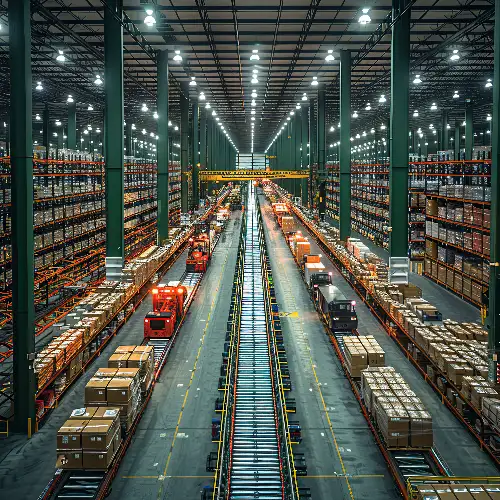
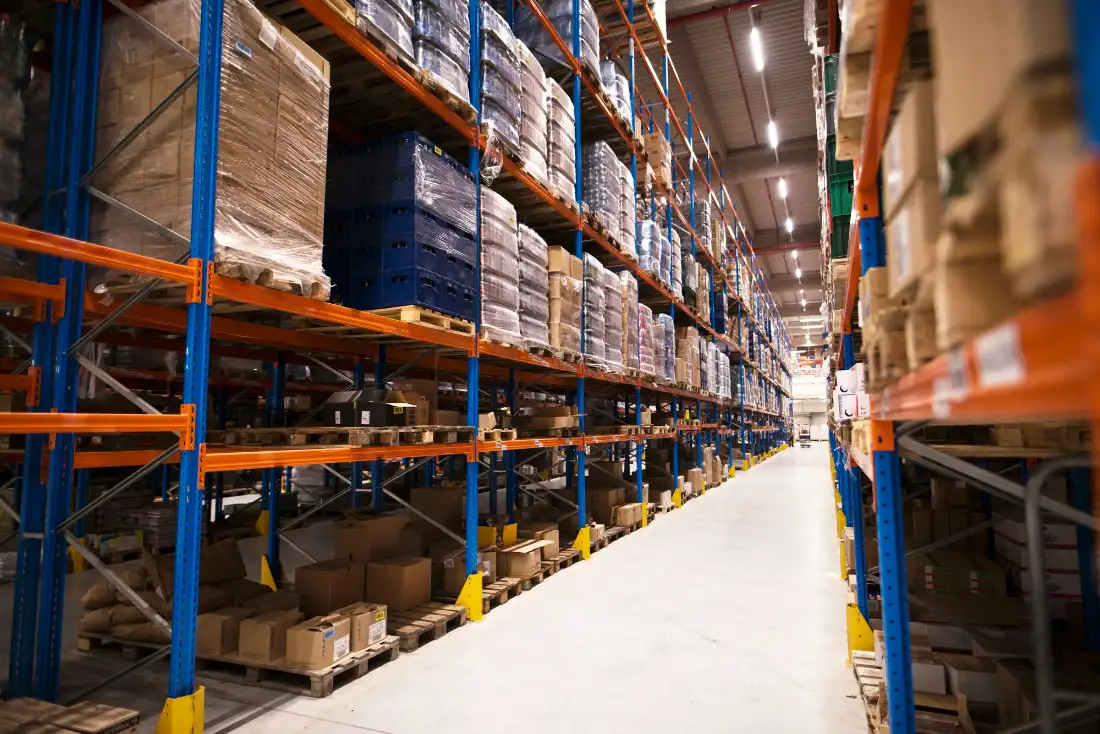
Modern logistics warehouse and distribution operations
Warehouse throughput depends on invisible technology working continuously
From isolated systems to connected fulfilment operations

Every scan, movement and dispatch depends on network, devices, applications and support working together.

Warehouse operations can appear highly physical, but the process is deeply digital. Wireless coverage, handheld availability, WMS responsiveness, label printing, access control, CCTV, backup and service support all affect throughput.

We help logistics organisations make these dependencies visible and create a repeatable technology blueprint across facilities.

Map receiving, storage, picking, packing and dispatch workflows. Design network, wireless, devices, edge and applications together. Integrate yard, surveillance, access and operational data. Create consistent monitoring, support and lifecycle standards.
Explore our Logistics & Warehousing delivery model
Data Confiance capabilities across warehouses, distribution centres and logistics networks. Connect infrastructure, devices, applications, security, visibility and lifecycle services around reliable fulfilment.
16+Years of enterprise technology delivery
500+Client relationships supported
6Core logistics technology domains
24×7Monitoring and support options
The Logistics & Warehousing operating model

Improve throughput through six connected technology pillars.

Select a pillar to explore how Data Confiance supports warehouse operations, mobility, security, visibility and lifecycle control.
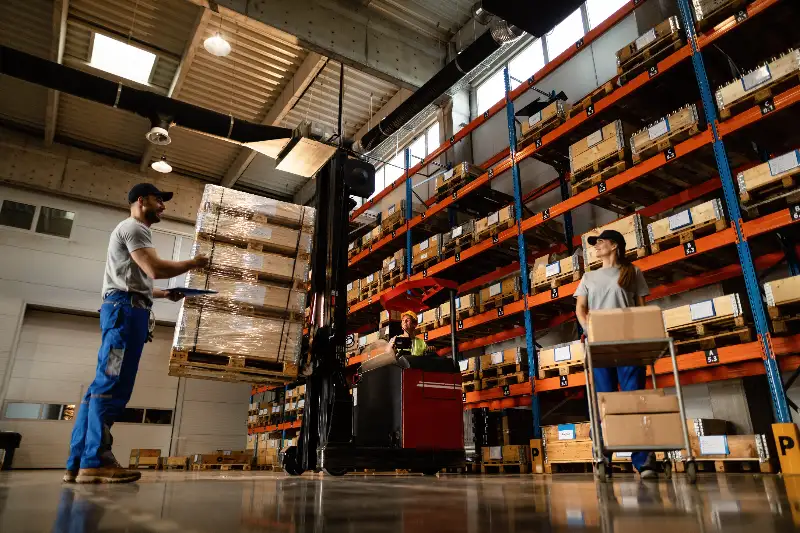
Warehouse network and industrial Wi-Fi
Create dependable connectivity across every operational zone

Warehouse Network & Wi-Fi

Design resilient wired, wireless and WAN infrastructure across aisles, docks, yards, offices and multi-site logistics environments.

Warehouse network assessment Industrial Wi-Fi design and survey LAN, WAN and SD-WAN Structured cabling and fibre Outdoor and yard connectivity Network monitoring and lifecycle
Discuss This Logistics Pillar
Logistics & Warehousing delivery approach

From warehouse workflows to dependable digital operations.

Our methodology connects operational processes, site conditions, connectivity, applications, devices, security and lifecycle support into one governed programme.

Start a Warehouse Technology Discussion
01 / MAP

Understand flows, sites, devices and dependencies

Document receiving, storage, picking, packing, dispatch, returns, yards, users, applications, security and continuity requirements.

02 / ARCHITECT

Design the connected warehouse environment

Align network, Wi-Fi, devices, edge, WMS, cloud, physical security, backup and support requirements.

03 / DEPLOY

Implement through controlled zones and site waves

Coordinate cabling, wireless, devices, applications, security, migration, testing, documentation and user onboarding.

04 / ASSURE

Protect throughput, inventory and service continuity

Apply monitoring, access control, surveillance, endpoint security, backup, recovery and operational escalation.

05 / OPERATE

Monitor, maintain and improve across sites

Use managed services, AMC, field support, spares, performance reviews and lifecycle governance.

How Data Confiance helps Logistics & Warehousing

One portfolio across warehouse infrastructure, security and operations.

Combine focused services into a logistics roadmap or engage Data Confiance for a defined network, device, WMS, security, visibility or lifecycle priority.

Warehouse connectivity foundation

Connect aisles, docks, yards, offices and multi-site operations

Create reliable wired, wireless and wide-area connectivity across logistics environments.

Warehouse connectivity and logistics infrastructure services
Design around throughput Technology decisions are evaluated against coverage, device density, application latency, security, serviceability and operational continuity.
Key Logistics & Warehousing priorities

Where Data Confiance can create immediate throughput and operational value.

These focus areas connect warehouse connectivity, mobility, applications, security, visibility and lifecycle efficiency.
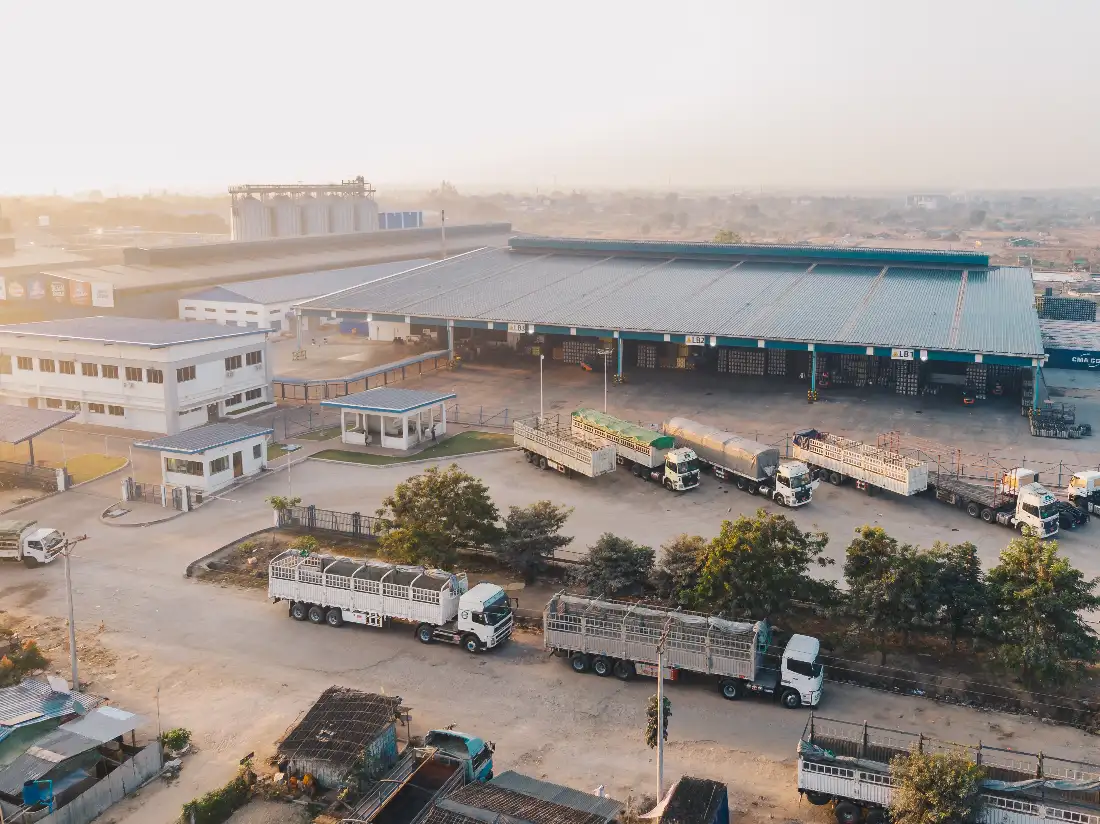
Modern logistics warehouse
Connectivity

Warehouse Network & Industrial Wi-Fi

Improve coverage, resilience and performance across aisles, docks, yards and office areas.

Warehouse handheld devices and mobility
Mobility

Handheld, Scanner & Endpoint Management

Standardise device configuration, security, application access, support and lifecycle governance.

Warehouse edge and application infrastructure
Applications

WMS, Edge & Application Integration

Connect warehouse systems, automation, ERP, transport and customer platforms through reliable infrastructure.
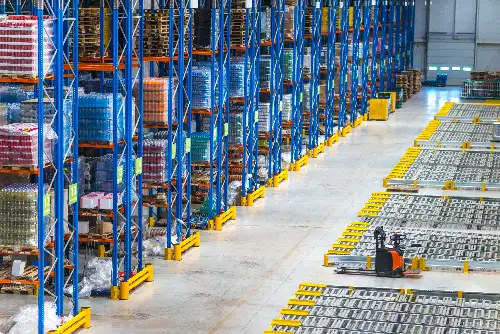
Warehouse yard and physical security
Security

Yard, Perimeter & Physical Security

Protect inventory, vehicles, people and facilities through CCTV, access control and visitor management.

Logistics dashboards and operational analytics
Visibility

Operational Visibility & Analytics

Connect inventory, devices, network, security and exception data into actionable dashboards.

Warehouse maintenance and lifecycle services
Continuity

Backup, AMC & Multi-Site Lifecycle

Improve continuity through monitoring, recovery, preventive maintenance, field support, spares and refresh planning.

Representative customer stories

Examples of how logistics and warehouse technology operations can be strengthened.

The examples below show the type of challenge, scope and outcomes that a detailed Data Confiance case study can present. Final published stories should use approved customer information and validated results.
Warehouse yard and perimeter security
Representative engagement · Yard & Physical Security

Integrating yard surveillance, access and vehicle movement visibility.

CCTV, VMS, access control, visitor management, network, command-centre integration and remote monitoring.

Explore this use case
Multi-site warehouse lifecycle operations
Representative engagement · Multi-Site Support

Standardising field support and lifecycle governance across warehouses.

Asset baseline, service desk, field dispatch, preventive maintenance, spares, OEM coordination and refresh planning.

Explore this use case
Logistics & Warehousing insights & resources

Practical guidance for connected and dependable warehouse operations.

Use these resources to evaluate wireless, devices, applications, physical security, backup and lifecycle readiness.

Warehouse technology readiness guide
Industry readiness guide

Is your warehouse technology foundation ready for higher throughput?

Assess network, Wi-Fi, devices, WMS, edge, physical security, continuity and lifecycle readiness.

Request the guide
Warehouse wireless and device checklist
Assessment checklist

Warehouse Wi-Fi, handheld and endpoint-readiness checklist.

Review coverage, roaming, density, devices, MDM, applications, support, spares and lifecycle governance.

Request the checklist
Warehouse security and continuity playbook
Security playbook

Protect warehouses, yards, inventory and operations.

Understand surveillance, access, visitor control, endpoint security, backup, recovery, monitoring and incident response.

Request the playbook
Frequently asked questions

Questions about Logistics & Warehousing technology services.

Clear answers to common questions around warehouse Wi-Fi, devices, WMS, edge, security, continuity and lifecycle support.

Ask a Logistics Specialist
It can include LAN, WAN, Wi-Fi coverage, devices, WMS and application dependencies, edge systems, physical security, backup, support and lifecycle requirements.
Yes. Services can include predictive design, onsite survey, access-point planning, channel design, roaming optimisation, outdoor coverage, testing and monitoring.
Yes. Services can include device enrolment, configuration, MDM, application deployment, security, support, spares and lifecycle management.
Yes. Support can include network and edge infrastructure, cloud connectivity, application access, integration monitoring, backup and operational support.
Yes. Services can include CCTV, VMS, access control, visitor management, vehicle entry, perimeter monitoring and command-centre integration.
Yes. Backup, application recovery, disaster recovery, cyber recovery and testing can be designed around warehouse and fulfilment priorities.
Yes. Services can include central monitoring, service desk, field support, preventive maintenance, spares, OEM coordination and lifecycle governance.
Yes. A co-managed model can divide responsibilities across operations, internal IT and Data Confiance for monitoring, support, security, lifecycle and governance.